Australians bought 1.42 billion items of clothing in 2023, which works out at 53 items each, according to benchmark data published by Seamless, the national clothing stewardship scheme. Divide that across the year and the average person picks up four or five new garments a month. SECONDHAND September asks you to leave those four or five on the shelf and choose preloved instead. That is the whole commitment, and it is a good deal smaller than most people assume before they try it.
What SECONDHAND September asks of you
Oxfam launched the campaign in 2019 and the premise has not changed. For the thirty days of September, you buy no new clothing and shop preloved for anything you need. There is nothing to join and nothing to pay.
You get to define the edges. Underwear, shoes bought for a medical reason and a genuine replacement for something worn out are sensible exceptions. A month with one exception still keeps four garments out of circulation, which counts for a great deal more than abandoning the attempt.
Your share of the problem, in figures you can hold
National totals are too large to act on, so it helps to bring them down to one person.
| Measure - 2023 |
National |
Per person, per year |
Per person, per month |
| New clothing bought |
1.42 billion items
|
53 items
|
4 to 5 items (estimate)
|
|
Clothing sent to landfill
|
222,000 tonnes
|
About 8 kg (estimate)
|
About 0.7 kg (estimate)
|
|
SECONDHAND clothing bought
|
240 million items
|
About 9 items (estimate)
|
Under 1 item (estimate)
|
All national figures come from the Seamless clothing benchmark released in November 2024. The per person landfill figure is our estimate, dividing 222,000 tonnes by an Australian population of roughly 26.8 million as reported by the Australian Bureau of Statistics.
Two numbers in that data are worth holding onto. New clothing purchases fell from 63 items per person in 2018 to 53 in 2023, and SECONDHAND sales rose 18 percent over the same period to 240 million garments. National behaviour is already moving.
What one month realistically changes
Four garments left unbought will not shift a 222,000 tonne figure, and any article claiming otherwise is selling you something. What a month does is interrupt a purchasing reflex and hand you thirty days of evidence that you can dress well without buying new.
Most participants finish September having discovered they own considerably more than they thought. That discovery, rather than the abstention itself, is what tends to stick.
A four week plan you can start this Saturday
Week one, audit before you shop. Pull everything out and sort it into three piles. Worn in the past year, kept for a reason and not worn without a reason. Photograph the third pile. Write down the gaps you actually have.
Week two, shop the way the floor works. Visit a store rather than a website, because racks rotate daily and nothing comes back. Bring your gap list. Check seams, hems, zips and underarms on anything you like, then try it on rather than guessing.
Week three, list your own pieces. Book a rack for a fortnight, price that third pile and put it back into circulation.
Week four, sort the remainder and pick your rule. Deal with whatever nobody will buy, then choose the one habit you carry into October.
Selling counts as taking part
Not buying keeps four garments out of circulation, while listing a wardrobe puts thirty back into it. Under the rent-a-rack model you hire a rack for a fortnight, price your own pieces and keep up to 75 percent of what sells. Self-service suits anyone happy to price and set up herself, while the all-inclusive option hands that work to the team.
Bring items clean, in very good condition and right for the coming season. Those three things determine most of what sells.
Pieces nobody will buy
Stained, holed or badly worn garments should not go on a rack or into a charity bin, because sorting them costs the receiving organisation money. Send them instead to a textile recovery point, which is a collection service that turns unwearable fabric into insulation, rags or new fibre. The Circular Clothing Directory published by Seamless lists options by location.
Recovery remains the smaller pathway. Seamless recorded 140 million garments recycled in 2023, roughly 35,000 tonnes, against 222,000 tonnes sent to landfill.
Past the 30th of September
A month is a trial, and the value sits in what you keep doing on 1 October. Three defaults are worth carrying forward. Check preloved first for any clothing purchase. Book a rack twice a year. Wait a fortnight before buying anything new.
Four or five garments a month. Thirty days. One habit that outlasts the hashtag.
Start SECONDHAND September at one of our three Sydney stores. Find opening hours and directions for VENLA Balmain, VENLA Manly and VENLA Mosman before you visit.
If your wardrobe is due a clear out, book a rack and put your own pieces back into circulation.
About the author
Satu Raunola Spencer’s entrepreneurial journey culminated in founding VENLA Resell + Relove, a pioneering rent-a-rack second-hand fashion store in Sydney. Co-founded with fellow Finnish entrepreneur Minna Monaghan as a COVID-era pivot, VENLA brought the Nordic rent-a-rack concept to Sydney, blending innovation with a commitment to sustainability. Satu’s story, rooted in Finnish sisu, is one of resilience and dedication, inspiring more sustainable consumer practices and addressing fashion's environmental challenges.


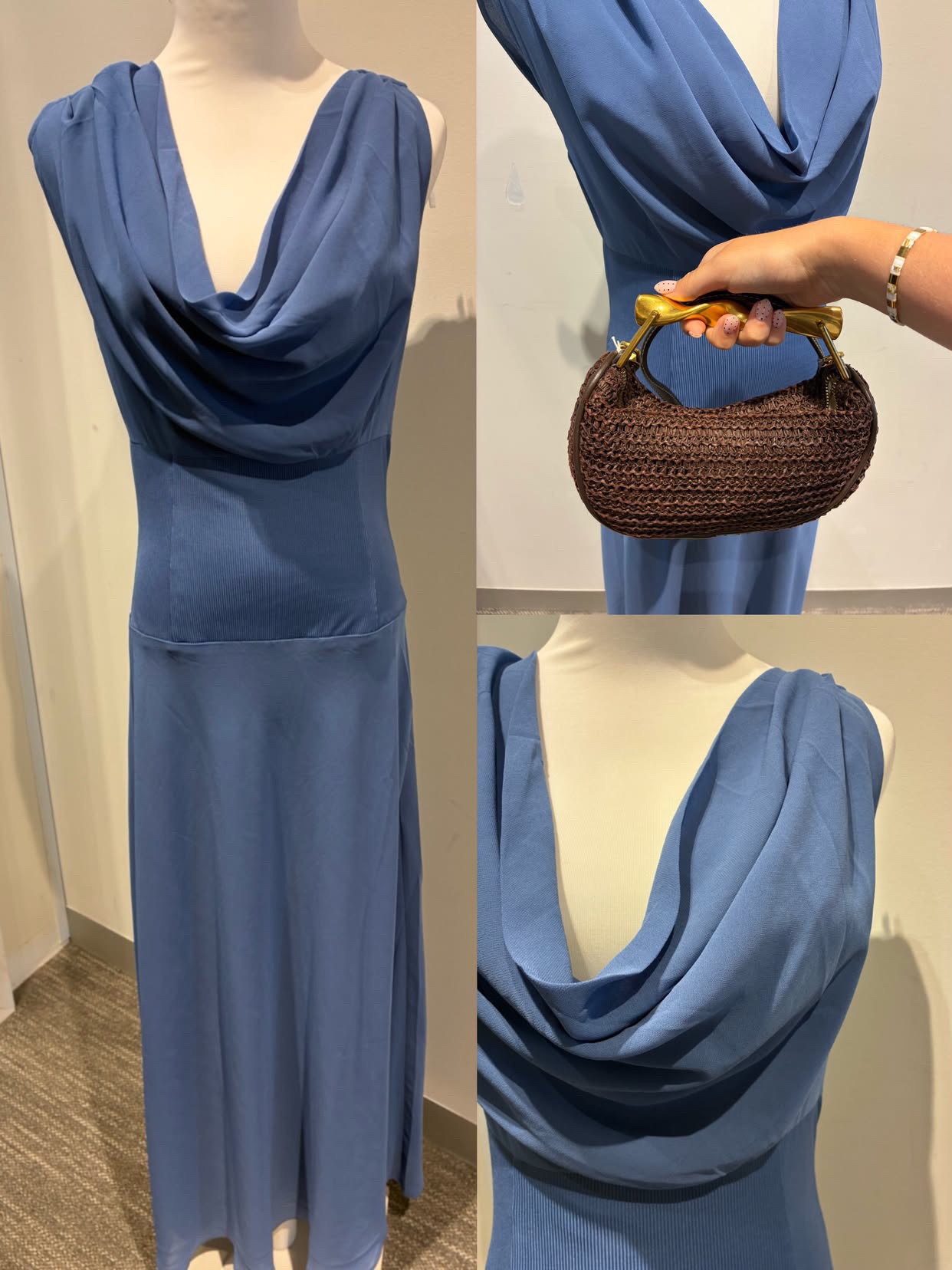
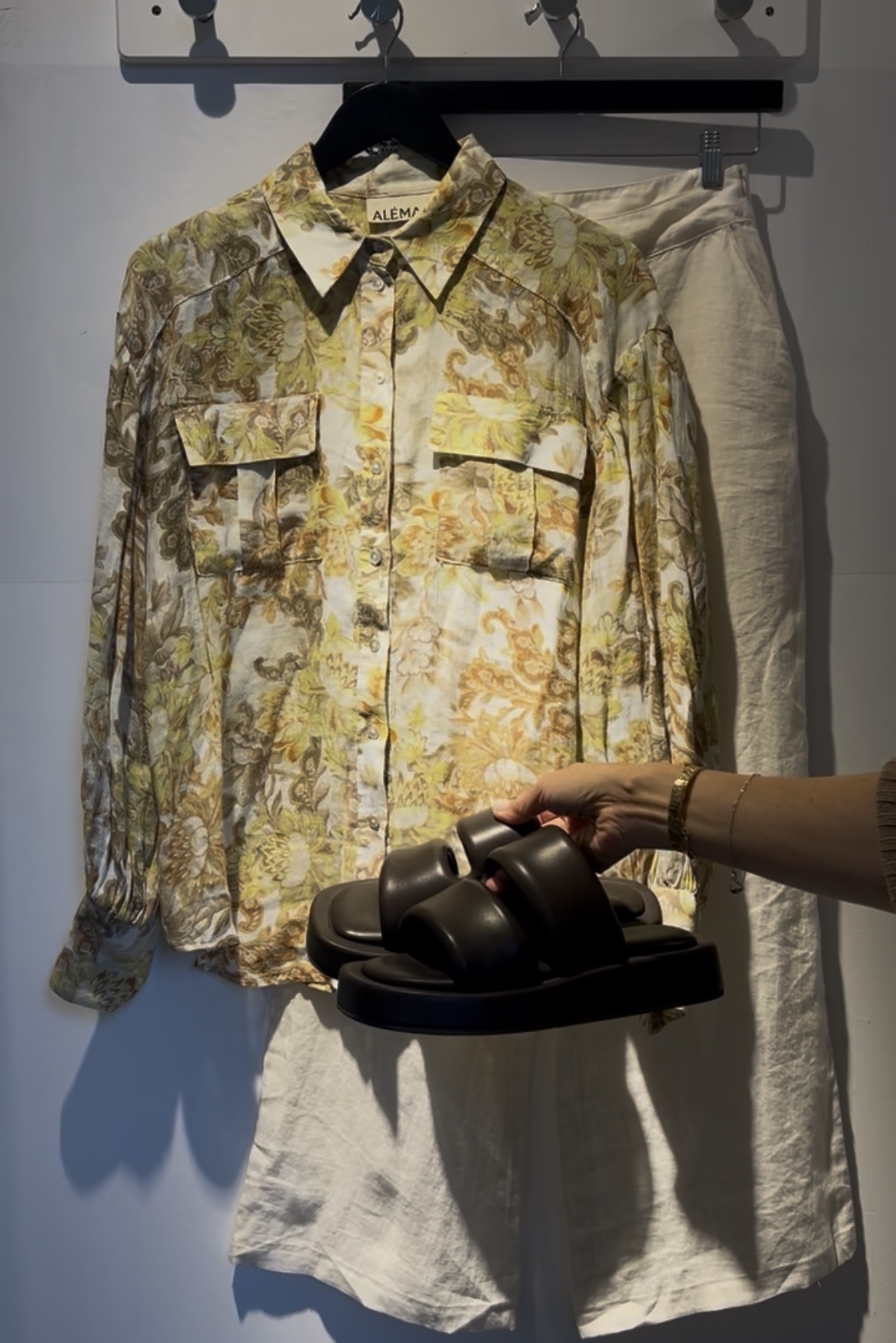
%20(1).jpg)
.avif)


