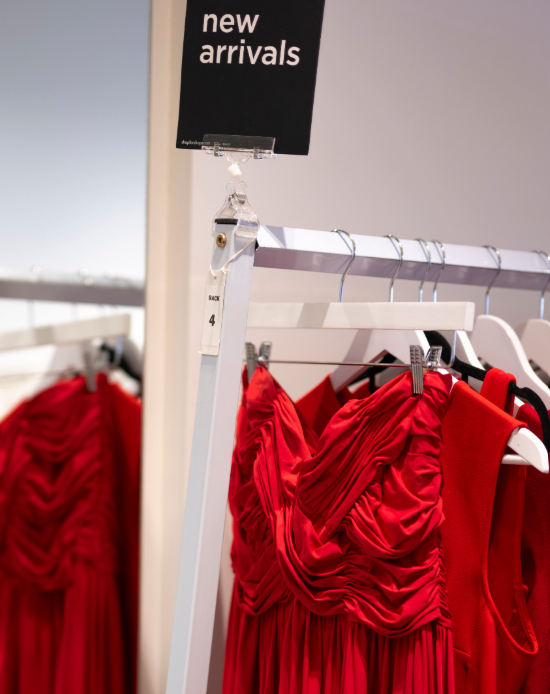
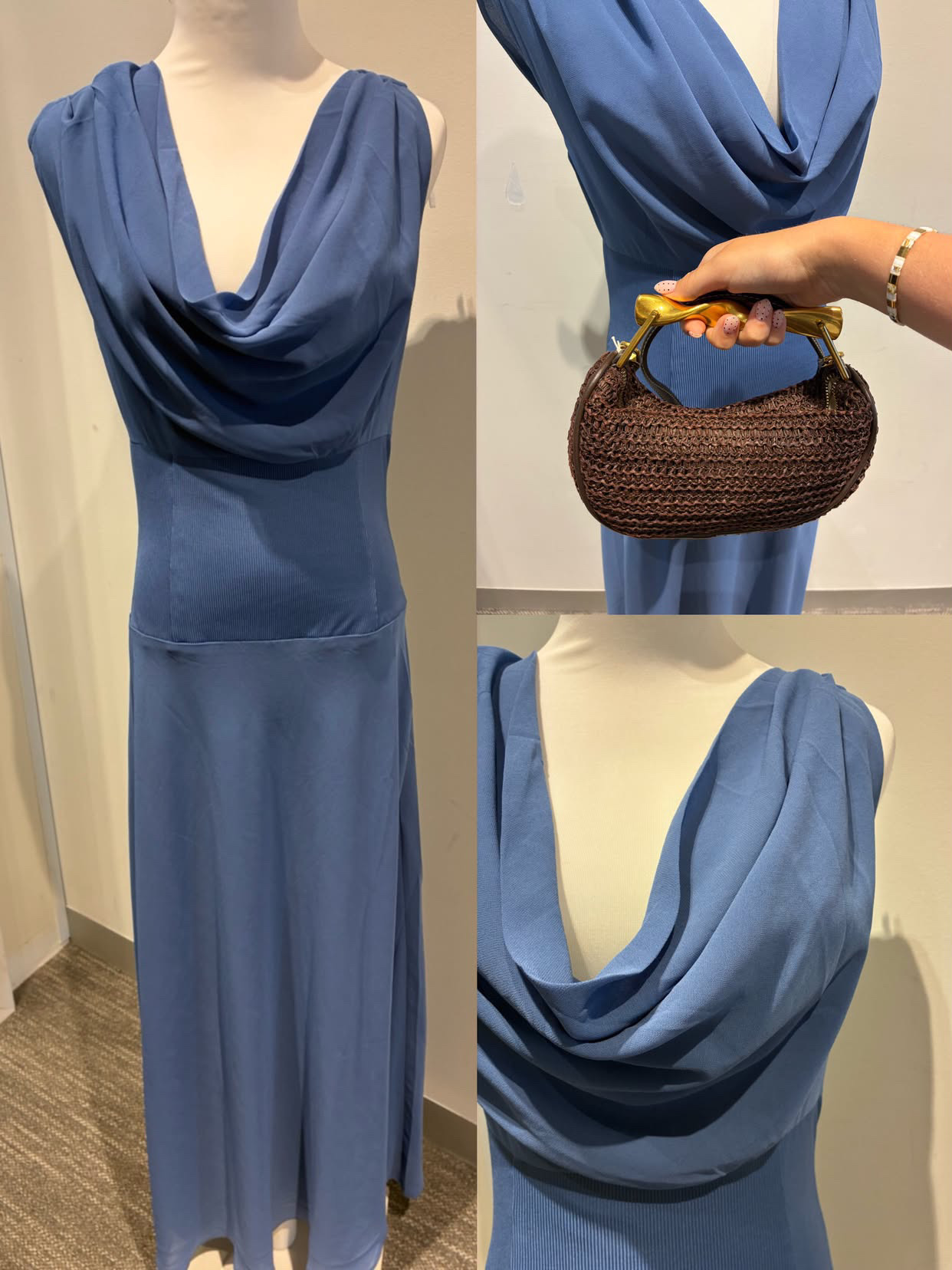
A successful VENLA rack starts before a single price tag is printed. The most useful question is not, “How much can I fit on the rack?” It is, “Would shoppers love these pieces, wear them now, and feel they are worth the price?”
That change in perspective makes the rest easier. You choose better quality items, edit out pieces that are unlikely to sell, set more realistic prices and create a rack that people can browse without working through a crowded wardrobe clear-out.
Whether you are booking for the first time or returning with a new edit, use the steps below to decide what deserves a place on your rack.
Start with quality, not quantity
Buyers come to VENLA for preloved fashion that still has plenty of life in it. Begin with pieces that are clean, well-made, and in excellent condition. A strong, well-known label can attract attention, but it will not compensate for a stain, stretched neckline, missing button or tired fabric.
Check each garment in bright natural light and look closely at:
- underarms, collars and cuffs for marks or discolouration
- zips, buttons, hooks and fastenings
- hems, seams and linings
- knitwear for pilling, pulls or small holes
- shoes and bags for scuffs, worn corners and interior marks
Clean, repair or steam anything that needs attention before your booking. If a flaw cannot be fixed, leave the item out. A smaller selection of good pieces will make a better first impression than a full rack of mixed condition. If you don't have 40+ items, share the rack with a friend or a family member. It's actually a fun way to do it together with someone.
Choose pieces people can wear now
Season and timing shape what shoppers are looking for. In spring and summer, that may mean linen, cotton, dresses, lighter separates, sandals and occasionwear. Cooler months bring more interest in coats, jackets, knitwear, boots and heavier fabrics. Quality basics, designer accessories and genuinely timeless pieces can work across seasons.
Sydney weather does not always follow the calendar neatly, so think about the next few weeks rather than the season printed on a label. A light jacket may still make sense in October; a heavy winter coat is less likely to earn its space.
Edit for relevance as well as brand
Recognisable Australian and international labels can bring shoppers to a rack, but brand is only one part of the decision. Style, condition, fabric, size, season and price all affect whether someone takes a piece to the fitting room.
Look for quality contemporary fashion, premium labels, well-made basics and distinctive pieces that feel current without depending on a short-lived trend. Natural fibres such as linen, silk, cotton and wool can be appealing when the item is well cared for and appropriate to the season.
If you are unsure whether an item meets VENLA’s current acceptance requirements, check the terms emailed to you before adding it to your product list or ask the store team. This is especially important for categories with specific conditions.
Price for the piece as it is today
Original retail price is useful context, but it is not the whole valuation. A buyer is comparing your item with other preloved options available now. Consider the label, age, condition, fabric, current relevance and what a similar piece costs new or secondhand. Is the item available more affordably online?
For an unworn piece with tags from a recent season, VENLA suggests starting around 50 to 70 per cent below the original full retail price. Older or visibly worn items generally need a lower price. Before finalising pricing, search the current retail price and ask yourself whether you would feel you had found good value at the price shown.
Your objective matters too. If you want to clear more of your wardrobe during the rental, price decisively and consider a sale later in the booking.
Build a rack with useful variety
A rack is easier to shop when it offers choice without feeling random. Aim for a considered mix of everyday pieces and a few statement items, with more than one price point and enough variation in colour, shape and category to keep people looking.
Avoid filling the rail with near-identical items simply because they came from the same part of your wardrobe. If you own ten similar black tops, choose the best two or three. Editing makes each item easier to see and gives shoppers room to move hangers without losing track of what is there.
Prepare every item for the shop floor
Wash or dry-clean pieces as appropriate, remove lint, press or steam creases and check pockets. Close zips and fasten buttons so garments hang properly. For accessories, clean the exterior and interior, empty every compartment and bring any useful extras such as a dust bag, case, detachable strap or original box.
For high-end accessories, original receipts or authentication documents can give buyers more confidence when available. Keep any proof with the item or follow the store team’s process for presenting it safely. If you need authentication, ask VENLA team for assistance.
Stay involved during your booking
The first edit gets your rack started; small adjustments can keep it working. Follow your sales, replenish gaps with pieces that fit the season and tidy the rack when you visit. If one category moves quickly, that is a practical clue about what shoppers want. If several items attract no interest, review their price, condition or relevance before adding more of the same.
For more on presentation, restocking and rack management, read How to Maximise Your Rack Rental ROI.
Use a final buyer test
Before packing your stock, hold up each piece and ask:
- Would I be happy to find this in a preloved fashion store today?
- Is it clean, sound and ready to wear?
- Does it suit the current season or an upcoming occasion?
- Is the price attractive for this exact item in its current condition?
- Does it add something useful to the rack?
If the answer is no, leave it out, repair it or reconsider the price. Good editing is not wasted effort. It helps shoppers see your best pieces and gives those pieces a better chance of finding a new wardrobe.
Ready to prepare your next VENLA rack
Start with the items you no longer wear but would still be thrilled to buy: quality, relevant fashion in excellent condition. Then edit, price and present each piece with the next owner in mind.
Explore VENLA’s selling options and book a 14-day rack at Balmain, Manly or Mosman.