


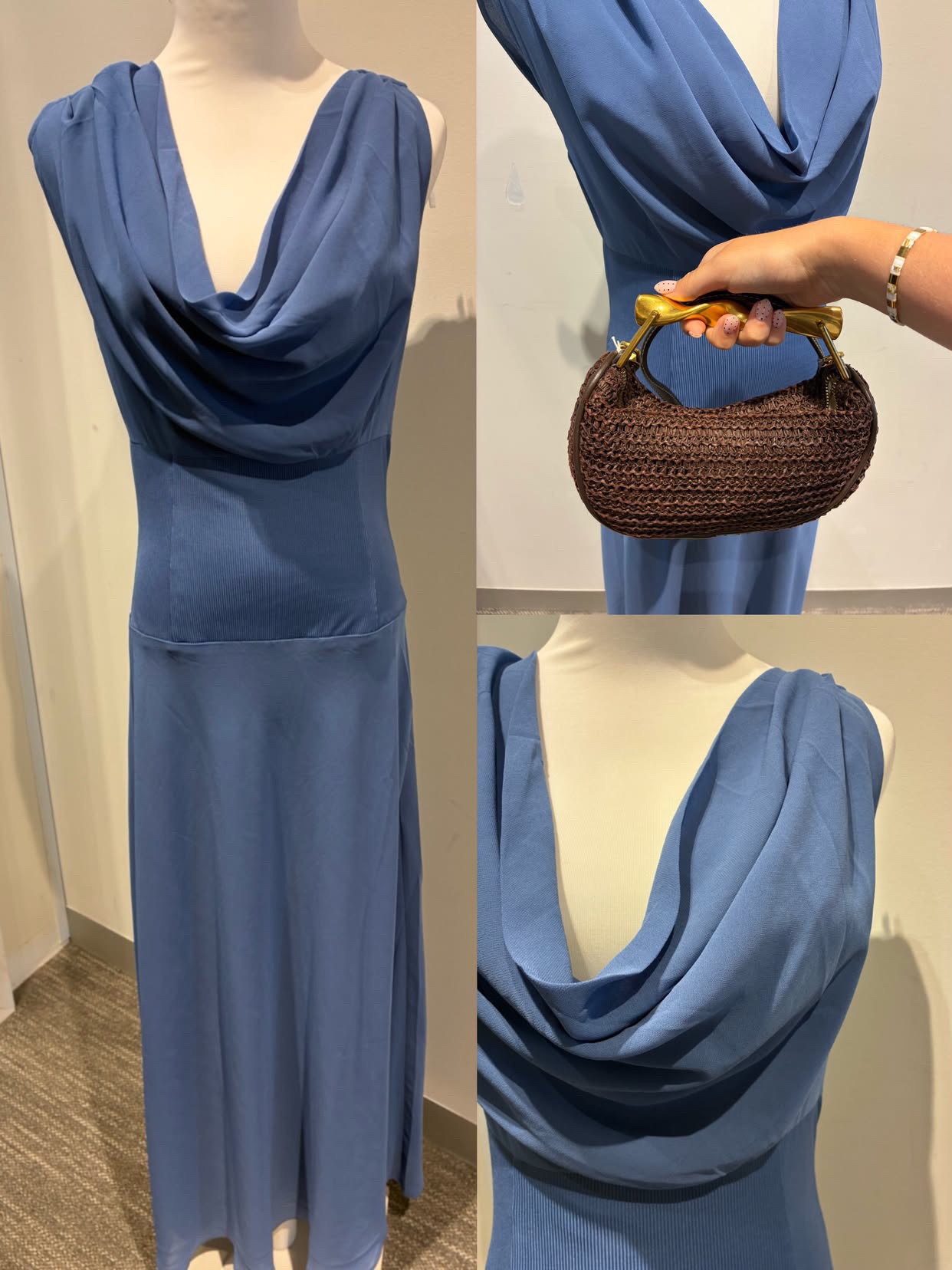
Spring and early summer bring a run of weddings, and with them a familiar calculation. You will be photographed, the photographs will exist forever, and half the guest list has already seen everything hanging in your wardrobe.
Most people solve this by buying something new for each one. Three weddings in a season is three dresses worn once. That's how wardrobes fill with clothes nobody wears.
Buying preloved solves it properly. Here's what the common dress codes actually mean, why occasion wear is the strongest category in the secondhand market, and what to check on a dress before you commit.
Work Out the Dress Code First
Invitations rarely spell this out, so it is worth translating the usual terms before you shop for anything.
Cocktail is the most common and the most flexible: a midi dress, a jumpsuit or separates in a good fabric all work. Formal or black tie asks for floor length, or a very well cut midi in something with weight to it. Garden party and beach weddings sound relaxed but are mostly a fabric instruction. Lighter cloth, lower heel, something that survives grass or sand.
Two rules hold across all of them. Avoid white and anything close to it. And check with somebody in the wedding party if the invitation mentions a colour palette, because more couples are setting one than used to.
Why Occasion Wear Is the Best Thing to Buy Secondhand
Occasion dresses are the strongest value in the preloved market, and the reason is structural. A wedding guest dress gets worn for one afternoon, usually carefully, then hangs untouched. It comes back to resale in close to the condition it left the shop in.
Compare that with an everyday shirt that has been through fifty washes. The gap in condition is enormous, which means a preloved occasion piece is frequently as good as a new one while costing a fraction of what it did originally.
There's a second advantage that matters more than people expect. The preloved market is not restricted to what is in season right now, so the range available to you is far wider than any current-season rail. That's usually the difference between an outfit that looks like everybody else's and one that doesn't.
What to Check Before You Buy
Occasion fabrics are less forgiving than everyday ones, so look properly.
Start with the lining, which shows wear well before the outer fabric does. Look for thinning at the seat, small tears at the seams, discolouration under the arms. On silk and satin, hold the piece up to the light and check for pulls and watermarks, which do not always come out.
Run the zip its full length. A sticking zip on an occasion dress is a genuine problem, because there is rarely room to force it, and replacing an invisible zip in a lined dress is not an inexpensive repair.
Check beading and embellishment along the hem and edges first, since that is where stones go missing. A few gaps in a dense pattern are invisible when worn. A bare patch at the neckline is not.
Finally, be honest about alterations. Taking a dress in at the waist is straightforward and worth doing. Altering the shoulders or the bust on a structured piece is expensive and often disappointing. Buy for the fit that's hardest to change.
Where to Look in Sydney
Racks turn over daily across VENLA stores in Balmain, Manly and Mosman, with two to three new racks arriving in each store every day. For occasion shopping that means the range is genuinely different week to week, so one visit is not a reliable test of what is available.
Give yourself more than one afternoon, and start earlier than feels necessary for a formal dress code. If you've got a wedding in November, September is not too early. You can also read how shopping the racks works before your first visit.
Bring the shoes you intend to wear. Hem length is the thing most likely to send you to a tailor, and it is impossible to judge in flats.
Making One Dress Cover a Whole Season
If you've got three weddings between October and December, you don't need three dresses. You need one that photographs well and two convincing ways to change it.
Accessories do most of that work. A different shoe, a different bag and a change of earrings read as a different outfit in photographs taken months apart, with different guest lists. Adding or removing a jacket changes the silhouette more than most people expect, and a wrap also solves the church-then-reception temperature problem.
Where guest lists genuinely overlap, buy one good dress preloved and use a second, less expensive piece for the wedding where it matters least. That is a more sensible allocation than spreading the same budget thinly across three new outfits that each get one outing.
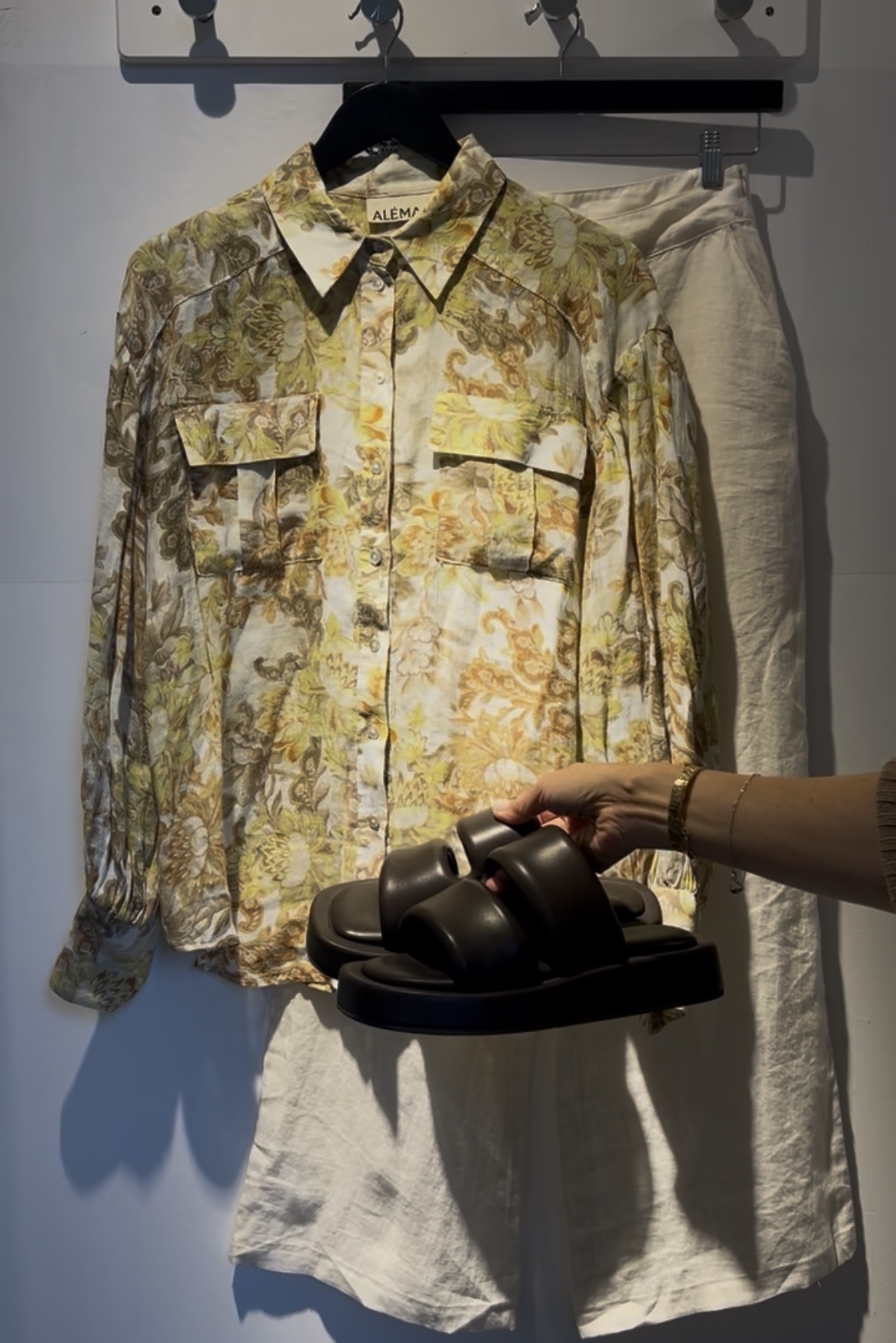
Accessories are also the easiest thing to buy secondhand, because a bag or a pair of shoes worn to one wedding has effectively no wear on it. Look at them alongside the dress racks rather than treating them as an afterthought once the dress is decided.
Then Send It Back Out Again
The logic that makes a preloved wedding dress a good buy works just as well in the other direction. The occasion pieces already in your wardrobe from previous weddings are worth something to somebody currently looking, and they're worth the most during the season rather than after it.
A rack runs for fourteen days. You pay the rental up front, then we take 25 to 30 per cent of what sells if you price and present it yourself, or 50 per cent if we do that for you. A dress you wore to one wedding in 2023 is far more useful working than hanging.
If a spring carnival is also in your calendar, our guide to race day dressing bought preloved covers a related set of rules, and caring for preloved pieces explains how to keep an occasion dress in the condition that holds its value.
Come and see what's arrived, or book a rack for the dresses you've already worn.

%20(1).jpg)
.avif)


