


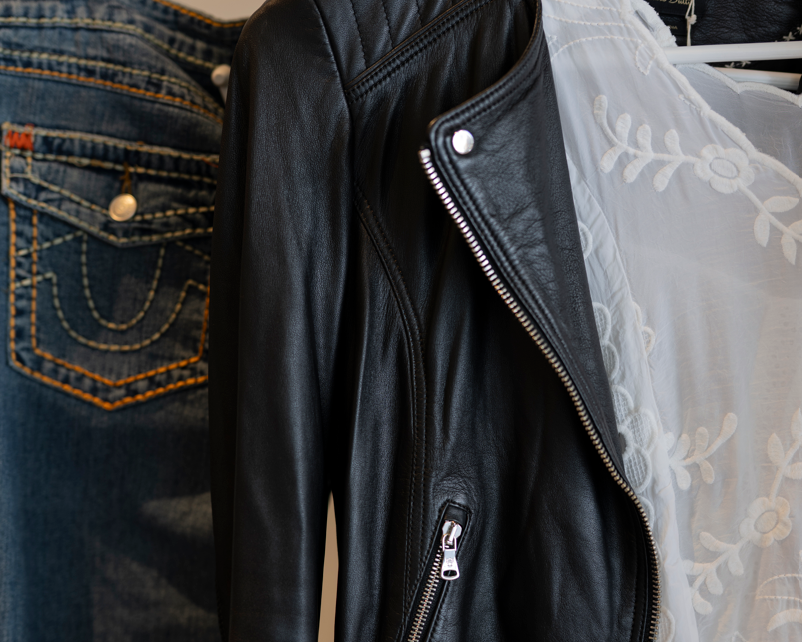
A well-cared-for piece does not just last longer. It earns more when the time comes to sell it. The difference between a Zimmermann dress that lifts a consignor return and one that sits quietly mid-rack often comes down to how it has been washed, stored and handled across the years it was worn. Care is the quiet work that turns a wardrobe into a resale portfolio, and the four fabrics that move most often through the VENLA resell+relove intake floor (wool, silk, denim and leather) each reward a different routine.
Why garment care is the highest-return habit a preloved seller can build
Condition is the single biggest variable in what a preloved piece earns on the rack. Two identical designer pieces from the same season can sit at very different price points based on care alone. The team at VENLA resell+relove assesses shape, surface, hardware and finish before pricing, and small care habits compound across the life of a piece. A wardrobe maintained well is, in practical terms, a long-term resale portfolio.
How to care for wool and knitwear so it holds shape and value
Wool and knitwear lose value fastest through poor washing and storage. Cold hand washing or a wool cycle with a wool-safe detergent protects the fibre, and merino, cashmere, lambswool and mohair all respond best to flat drying on a clean towel, reshaped while damp. Hanging stretches the shoulders and shortens the life of the piece. Depill regularly with a sweater shaver or cashmere comb to keep the surface clean. Store folded, with cedar blocks, in breathable containers rather than plastic. Intake teams look for shape retention, no visible pilling and clean cuffs and hems. For a deeper read, see our dedicated knitwear care guide.
How to care for silk so it keeps its hand and finish
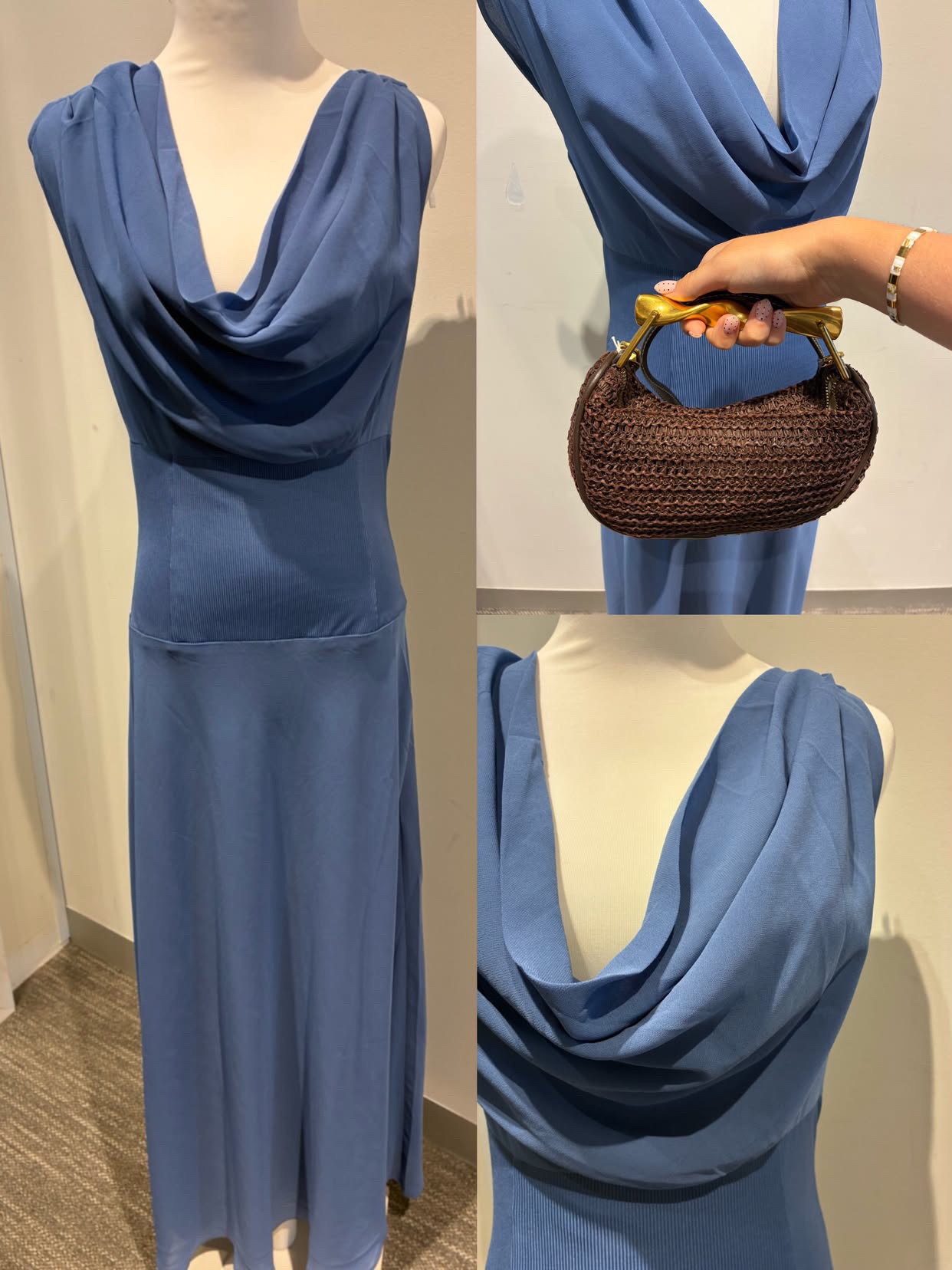
Silk does not always require dry cleaning, despite what most labels suggest. Mulberry silk, satin and crepe respond well to gentle hand washing in cool water with a pH-balanced detergent, with no wringing. Roll the piece in a clean towel to absorb moisture, then dry flat or on a padded hanger away from direct sunlight. Iron cool on the reverse, or finish with steam only. Store in acid-free tissue inside a breathable garment bag, never plastic, and address underarm marks promptly with a mild silk-safe stain treatment. The teams look for even colour, intact hand-feel, no underarm staining and no permanent creasing.
How to care for denim so it ages without losing structure
Denim lasts longer with fewer washes, not more. Raw and selvedge denim benefit from extended wear between washes, with spot cleaning to manage marks. When a wash is needed, turn the piece inside out, wash cold on a gentle cycle and line dry out of direct sun to protect colour and structure. Stretch denim follows the same principle, with extra care to avoid hot drying, which breaks down elastane. Repair small issues early. Intact hems, clean hardware and considered fade are the markers buyers respond to. Damage that reads as wear and tear rather than character is what costs sellers on the rack.
How to care for leather so it deepens rather than deteriorates
Leather rewards consistent, light-touch care more than any other fabric. Full-grain and top-grain leather benefit from a light clean and conditioning every few months to keep the fibre supple and prevent cracking. Suede needs a dedicated suede brush and protector spray rather than liquid cleaners. Lambskin and nappa, both soft and easily marked, require gentler handling and stable storage conditions. Store leather pieces in a dust bag with shape support inside, away from heat and direct light. The same standard applies to leather handbags and accessories, which are authenticated through VENLA Luxe. The teams look for even patina, intact hardware, no cracking, a lined interior in good condition and the original dust bag where available.
How to prepare a preloved piece for resale at VENLA
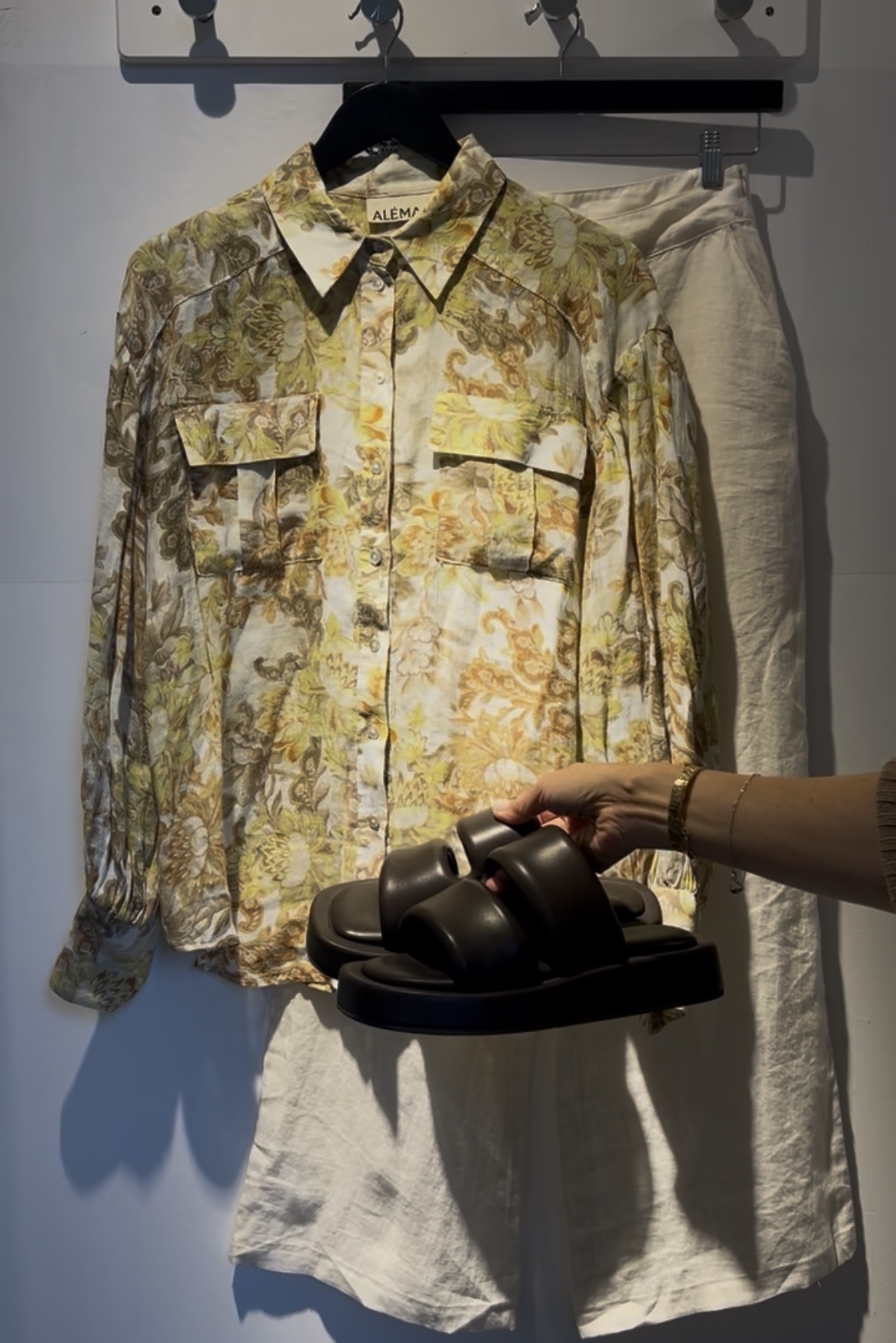
Preparation is the bridge between good care and a strong rack price. A piece arriving at consignment ready means clean, pressed, fully repaired and complete with belts, buttons, dust bags and any authentication paperwork relevant to designer accessories. Present the piece on a hanger appropriate to its weight and structure. Use the short checklist below before bringing pieces in to consign with VENLA resell+relove.
- Clean and freshly pressed or steamed
- Free of pilling, marks and odours
- All buttons, belts, hooks and zips intact and functioning
- Repairs completed, including small hem and lining issues
- Original dust bags, straps and authentication paperwork included where relevant
What strong care looks like on the rack and why it earns more
Well-cared-for pieces sit higher in buyer consideration, sell faster and command stronger consignor returns. Shape, surface, hardware and finish are the four signals buyers respond to before they read the price tag. Every habit covered in this guide protects one or more of those signals, and the compounding effect across a wardrobe is measurable. Care turns a wardrobe into a long-term resale portfolio rather than a sunk cost.
Consign with VENLA resell+relove to turn well-cared-for pieces into a stronger return on the rack.

.avif)


